Panchakarma has become a buzzword in wellness tourism — advertised alongside yoga retreats and spa weekends. But genuine clinical Panchakarma, as prescribed in classical Ayurvedic texts like the Charaka Samhita, is something fundamentally different. It is a physician-directed systemic detoxification protocol requiring medical assessment, preparation (Purvakarma), active treatment, and post-treatment recovery. This guide explains exactly what a clinical Panchakarma course looks like at Karmanya Ayurveda in Pimple Saudagar, Pune.
🚨 Want to discuss your condition with a physician?
Our doctors assess each patient individually. Book a consultation at our Pimple Saudagar clinic — no package purchase required.
What Panchakarma Actually Means (and What It Doesn't)
Pancha = Five. Karma = Actions. The five classical procedures are:
- Vamana — Therapeutic emesis (medically induced vomiting) for Kapha disorders like obesity, chronic respiratory conditions, PCOD with severe insulin resistance
- Virechana — Therapeutic purgation for Pitta disorders: skin diseases, liver conditions, acid-peptic disorders
- Basti — Medicated enema: the primary treatment for all Vata disorders — sciatica, knee osteoarthritis, paralysis, IBS, and infertility
- Nasya — Nasal administration of medicated oils: for cervical spondylosis, sinusitis, migraines, and neurological conditions above the clavicle
- Raktamokshana — Blood purification (leech therapy or venesection): for chronic skin conditions and localised inflammatory arthritis
Not all five are performed in every course. The physician selects specific procedures based on your diagnosis.
The Three Phases of Clinical Panchakarma
Phase 1 — Purvakarma (Preparation, 5–7 days): The body must be prepared before deep cleansing can occur. This involves Snehana (internal oleation with medicated ghee or oils taken orally) and Swedana (whole-body steam therapy). These mobilise deeply embedded toxins (Ama) from the tissues into the GI tract, from where they can be eliminated.
Phase 2 — Pradhana Karma (Main Procedures, 7–14 days): The physician administers the selected Panchakarma procedures in a specific sequence. During this phase, strict dietary restrictions are maintained — typically a light rice gruel (Peya) or Kitchari diet to avoid overtaxing the digestive system.
Phase 3 — Paschat Karma (Post-Procedure Recovery, 5–7 days): This is the most commonly skipped phase in commercial wellness centres — and the most important. The body's channels (Srotas) are now open and highly receptive. This is when Rasayana (rejuvenating) medicines are administered, diet is gradually reinstated, and lifestyle modifications are embedded.
Who Genuinely Benefits from Panchakarma?
Panchakarma is clinically indicated for:
- Chronic digestive disorders (IBS, chronic constipation, acid reflux)
- Obesity and metabolic syndrome with Kapha dominance
- PCOD/PCOS with hormonal imbalance and insulin resistance
- Chronic skin conditions (psoriasis, eczema) resistant to topical treatment
- Preventive detoxification (annual Virechana or Basti for healthy individuals)
- Neurological disorders (early-stage) and paralysis rehabilitation
It is
not recommended during active infection, fever, acute inflammatory conditions, pregnancy, or for very elderly and debilitated patients.
Why You Cannot Self-Select Panchakarma from a Brochure
We are frequently asked: 'Can I just book a Panchakarma package?' The answer at Karmanya is no — and this is by design, not inconvenience. Administering Vamana to a Pitta-dominant patient, or Virechana to a severely Vata-deranged patient, can cause serious complications. Classical texts (Charaka, Sushruta) devote entire chapters to contraindications.
Every Panchakarma course at Karmanya begins with a physician consultation — Nadi Pariksha, dietary assessment, review of your medical reports, and identification of your primary Dosha imbalance. Only then is a protocol prescribed.
Duration and Logistics in Pune
A complete clinical Panchakarma course — preparation, procedures, and recovery — typically spans 21–28 days. Most patients in Pune attend as outpatients, coming in daily for therapy and returning home. Dietary protocols are managed at home with physician guidance.
Our clinic is open 7 days a week, 10 AM–8 PM, at 27/11 Swaraj Garden Road, Pimple Saudagar. Sessions can be scheduled around working hours.
Frequently Asked Questions
Is Panchakarma safe for everyone?
No — and this is precisely why it must be physician-prescribed. Contraindications include pregnancy, active infection, severe anaemia, very elderly patients, and several specific medical conditions. A proper physician consultation will determine whether you are a suitable candidate.
What is the cost of Panchakarma in Pune?
At Karmanya, a clinical Panchakarma course is priced based on the specific procedures prescribed, duration, and medicines used. It typically ranges from ₹25,000–₹60,000 for a full 21-day course including internal medicines. Single-procedure sessions (e.g., Virechana only) start from ₹8,000–₹15,000. Transparent pricing is available after consultation.
Can I continue working during Panchakarma?
During the main treatment phase (Pradhana Karma), light desk work is generally manageable. Heavy physical work, strenuous exercise, and late nights are contraindicated. Most outpatients working in IT companies (Hinjawadi, Wakad) manage their treatment schedule around work hours.
Is there a specific diet to follow during Panchakarma?
Yes — this is non-negotiable. During the main treatment phase, your physician will prescribe specific foods (typically light, warm, easily digestible foods like rice gruel and cooked vegetables). Alcohol, raw salads, cold foods, and heavy non-vegetarian meals are strictly avoided. The diet prescription is customised to your Prakriti.
How often should Panchakarma be done?
Classical Ayurveda recommends seasonal Panchakarma — ideally once per year at the change of major seasons (Visarga Kala or Adana Kala). For patients managing a chronic condition, the physician may recommend a more frequent schedule based on clinical response.
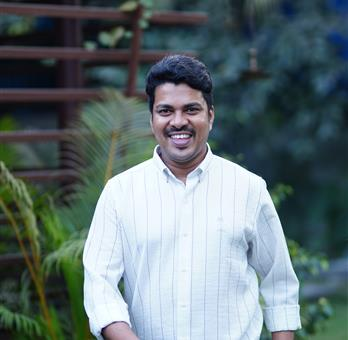
About the Author
Senior Ayurvedic Physician at Karmanya Ayurveda Chikitsalaya, Pimple Saudagar, Pune. All articles are reviewed for clinical accuracy.