Polycystic Ovary Disease (PCOD) and PCOS affect an estimated 1 in 5 women of reproductive age in India — and in urban Pune, the numbers are rising, driven by sedentary desk work, high-stress lifestyles, insulin resistance from processed diets, and disrupted sleep cycles. The conventional approach (oral contraceptive pills + Metformin) manages symptoms but rarely addresses root cause. This guide explores what an Ayurvedic clinical approach to PCOD looks like at Karmanya Ayurveda.
🚨 Want to discuss your condition with a physician?
Our doctors assess each patient individually. Book a consultation at our Pimple Saudagar clinic — no package purchase required.
How Ayurveda Understands PCOD — The Kapha-Vata Framework
In Ayurveda, PCOD corresponds primarily to conditions described as Artava Kshaya (diminished menstrual function) and Granthi (cyst formation). The dominant pathology involves two doshas:
Kapha excess — causes follicular stagnation (unruptured follicles become cysts), insulin resistance, weight gain, and mucoid accumulation in the uterine lining.
Vata derangement — causes irregular ovulation, variable cycle lengths, and impaired menstrual flow when cycles do occur.
Treatment therefore addresses both: reducing Kapha through dietary and herbal intervention, and correcting Vata through specific Panchakarma and Rasayana protocols.
The Clinical Protocol at Karmanya for PCOD
Virechana (Therapeutic Purgation): The primary Panchakarma procedure for PCOD with Pitta-Kapha dominance. Clears hepatic toxins, reduces oestrogen dominance, and purifies the Artava Vaha Srotas (menstrual channels).
Uttara Basti: A specialised intrauterine medicated oil administration (performed by a female physician). Directly nourishes the uterine lining, promotes follicular maturation, and corrects cervical mucus quality — highly relevant for women trying to conceive.
Rasayana Therapy: Post-Panchakarma, specific botanical Rasayanas are prescribed — Shatavari (phytoestrogenic and ovulation-supporting), Ashoka (uterine tonic), Lodhra (LH/FSH balance), and Ashwagandha (adrenal and insulin sensitising).
Dietary Protocol: A Kapha-reducing diet — warm, spiced, low-glycaemic foods — combined with specific intermittent eating patterns to improve insulin sensitivity. This is the most impactful lifestyle intervention for PCOD.
What Results Are Realistic in Pune's PCOD Population?
In our experience at Karmanya, women with PCOD who complete a full physician-directed protocol — Panchakarma, Rasayana, and strict dietary adherence for 90 days — typically experience:
- Cycle regularisation (moving from 45–90 day irregular cycles to 28–35 day regular cycles) within 2–3 months
- Reduction in follicular cyst count on follow-up ultrasound
- Improved fasting insulin levels
- Reduction in androgen symptoms (facial hair, acne)
- Improved cervical mucus and ovulation markers for those trying to conceive
These are outcomes we see in compliant patients. Non-compliance with diet — particularly continued consumption of refined carbohydrates, dairy, and cold processed foods — significantly limits results.
Ayurvedic Treatment and Fertility — An Important Note
Many women with PCOD come to us with fertility goals. Ayurvedic treatment can meaningfully improve ovulatory function and uterine health. However, if a couple has been trying to conceive for more than 12 months (6 months over 35), we always recommend parallel investigation of both partners through a gynaecologist and reproductive endocrinologist. Ayurvedic treatment is a complement to, not a replacement for, assisted reproduction when required.
Frequently Asked Questions
Can Ayurveda cure PCOD permanently?
PCOD is a lifestyle-related chronic condition. Ayurvedic treatment can correct the underlying hormonal imbalance and restore regular ovulation — and with maintained dietary discipline, these results are long-lasting. However, if the root lifestyle causes (high-sugar diet, sedentary living, chronic stress) are not addressed, PCOD can recur.
How long does Ayurvedic PCOD treatment take?
A meaningful clinical response — regular cycles, reduced ultrasound cyst count — typically appears after 60–90 days of consistent treatment. The full protocol, including Panchakarma and Rasayana phase, spans 3–4 months.
Can I take Ayurvedic medicines alongside my current hormonal pills?
Yes, in most cases. Our physician will review your current medications and coordinate the Ayurvedic protocol accordingly. Many patients gradually taper hormonal pills under gynaecological supervision as their natural cycle restores — but this is always done with their treating gynaecologist's agreement.
Is the treatment suitable for teenage girls with PCOD?
Yes. Adolescent PCOD is increasingly common and responds very well to Ayurvedic treatment, particularly because the condition is usually less entrenched than in older women. We see girls as young as 14–15 years old at Karmanya, and dietary and herbal intervention at this stage can prevent long-term hormonal complications.
Does Karmanya have a female physician for PCOD consultations?
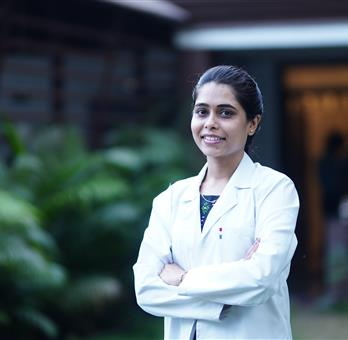
Yes. Dr. Tejasiv Mulik, BAMS, is our specialist in women's hormonal health and PCOD management. Consultations, Uttara Basti, and all female-specific procedures are conducted by Dr. Tejasvi.
About the Author
Senior Ayurvedic Physician at Karmanya Ayurveda Chikitsalaya, Pimple Saudagar, Pune. All articles are reviewed for clinical accuracy.