In an era of high-tech laboratory diagnostics, multi-slice CT scans, and automated blood analyzers, it is easy to assume that ancient diagnostic arts have become obsolete. Yet, across Pune, an increasing number of discerning health seekers are discovering the profound diagnostic power of Nadi Pariksha—the traditional Ayurvedic science of pulse diagnosis. Performed by resting three fingers on the radial artery at the wrist, an experienced Ayurvedic physician can detect subclinical disease, hidden emotional stress, gut microbiome toxicity, and constitutional dosha imbalances long before they manifest as abnormal numbers on a laboratory blood panel. Here is how authentic Nadi Pariksha works and what you can learn about your body at Karmanya Ayurveda, Pimple Saudagar.
🚨 Want to discuss your condition with a physician?
Our doctors assess each patient individually. Book a consultation at our Pimple Saudagar clinic — no package purchase required.
The Science of Nadi Pariksha: More Than Just Heart Rate
In conventional medicine, checking a patient's pulse is primarily used to count the heart rate (beats per minute) and identify basic arrhythmias. In classical Ayurveda, the pulse is a dynamic, multi-layered bio-energetic signal. Every heartbeat pumps blood through the arterial tree carrying waveforms modulated by the nervous system (Vata), hormonal and enzymatic metabolism (Pitta), and physical structural fluids (Kapha). By reading the rhythm, depth, velocity, and volume at different finger pressures, the physician listens to the real-time conversation between your organs, tissues, and mind.
The Three Fingers: Reading Vata, Pitta, and Kapha
The physician places the index, middle, and ring fingers over the radial artery below the styloid process of the radius bone:
- Index Finger (Vata Nadi): Positioned closest to the thumb. It reads the movement of Vata dosha, mimicking the erratic, slithering gait of a snake (Sarpa Gati). It reflects nervous system tone, colon health, mental anxiety, and joint dryness.
- Middle Finger (Pitta Nadi): Placed in the center. It reads the energetic pulse of Pitta dosha, hopping sharply like a frog (Manduka Gati). It reveals metabolic fire (Agni), liver toxicity, blood heat, and inflammatory tendencies.
- Ring Finger (Kapha Nadi): Positioned closest to the wrist. It reads the steady, graceful pulse of Kapha dosha, gliding smoothly like a swan (Hamsa Gati). It reflects lymphatic circulation, fluid balance, mucus congestion, and cellular structural integrity.
Reading the 7 Tissue Layers (Sapta Dhatus)
Beyond superficial doshic movement, advanced Nadi Pariksha involves feeling the pulse at varying vertical depths. By pressing deeply toward the bone and gradually releasing pressure, Senior Physician Dr. Tejasvi Mulik (BAMS) evaluates the health of all seven biological tissue layers (Sapta Dhatus): plasma (Rasa), blood (Rakta), muscle (Mamsa), adipose fat (Meda), bone (Asthi), nerve/marrow (Majja), and reproductive vitality (Shukra/Ojas). This reveals whether chronic fatigue is rooted in anemia, metabolic liver congestion, or deep bone depletion.
Detecting Disease Before Symptoms Appear (Kriyakala)
Modern allopathic medicine typically diagnoses disease at Phase 5 or 6 (manifestation and complication)—when blood sugar spikes, a disc herniates, or an ulcer forms. Classical Ayurveda identifies six progressive stages of disease progression (Shat Kriyakala): Sanchaya (accumulation), Prakopa (aggravation), Prasara (dissemination), Sthana Samshraya (localization in weak tissue), Vyakti (symptom manifestation), and Bheda (chronic structural damage). Nadi Pariksha detects imbalances at Stages 1, 2, and 3—allowing for preventive dietary resets and mild herbal therapies before irreversible damage occurs.
Preparation: How to Get an Accurate Pulse Diagnosis
To ensure your pulse provides the clearest clinical picture during your ₹500 consultation at Karmanya Ayurveda:
- Ideal Timing: Morning hours or early afternoon are ideal.
- Fasting Window: Avoid consuming heavy meals, alcohol, or caffeinated coffee for at least 2 to 3 hours prior to your pulse evaluation (plain water is fine).
- Physical Exertion: Avoid rushing or heavy gym workouts immediately before your appointment; rest quietly in our waiting lounge for 10 minutes prior to entering the doctor's chamber.
Frequently Asked Questions
What is the consultation fee for Nadi Pariksha at Karmanya Ayurveda in Pune?
Our physician consultation fee is fixed at ₹500. This includes comprehensive Nadi Pariksha (pulse diagnosis), review of existing diagnostic scans/reports, physical examination, and a personalized diet and treatment roadmap—with zero hidden fees.
Can Nadi Pariksha detect specific diseases like diabetes or thyroid disorders?
Yes. While Nadi Pariksha reads doshic and metabolic patterns rather than Western laboratory numbers, an experienced physician can readily detect the classical metabolic signatures of insulin resistance (Prameha), thyroid sluggishness, liver inflammation, and hormonal imbalance.
Can Nadi Pariksha reveal emotional stress and mental health?
Yes. The pulse directly mirrors the autonomic nervous system. Hidden anxiety, chronic grief, suppressed anger, and mental exhaustion alter the tension, rhythm, and volume of the Vata and Pitta pulses distinctly.
How long does a Nadi Pariksha examination take?
The pulse reading itself takes approximately 5 to 10 minutes, conducted within the context of an unhurried, 45-minute comprehensive clinical consultation with Dr. Tejasvi Mulik.
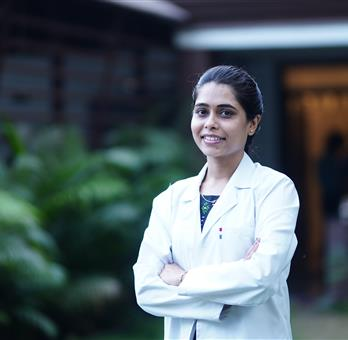
About the Author
Senior Ayurvedic Physician at Karmanya Ayurveda Chikitsalaya, Pimple Saudagar, Pune. All articles are reviewed for clinical accuracy.