Frozen Shoulder (adhesive capsulitis) is one of the most frustrating musculoskeletal conditions a person can experience. What begins as a subtle dull ache in the upper arm gradually develops into severe nighttime throbbing and extreme stiffness, making simple everyday actions—reaching for a seatbelt, wearing a shirt, combing your hair, or fastening a hook—excruciatingly difficult. In Pune, where Type 2 diabetes and desk strain are prevalent, Frozen Shoulder cases are exceptionally common. Modern management frequently resorts to intra-articular steroid injections or painful surgical manipulation under anesthesia. Classical Kerala Ayurveda offers a gentle, non-traumatic path to dissolve joint capsule adhesions and restore complete 360-degree rotational mobility.
🚨 Want to discuss your condition with a physician?
Our doctors assess each patient individually. Book a consultation at our Pimple Saudagar clinic — no package purchase required.
Understanding Frozen Shoulder: The Three Clinical Phases
Frozen Shoulder occurs when the flexible connective tissue capsule surrounding the glenohumeral (shoulder) joint becomes inflamed, thickens, and forms dense scar tissue bands (adhesions). The condition classically progresses through three distinct phases:
- Freezing Phase (2 to 9 months): Increasing ache and pain, particularly severe at night when sleeping on the affected side.
- Frozen Phase (4 to 12 months): Pain may slightly diminish, but rotational movement becomes severely restricted; the shoulder feels physically locked.
- Thawing Phase (6 to 24 months): Extremely slow spontaneous recovery, often leaving residual stiffness and reduced strength if left untreated.
The Ayurvedic Pathology: 'Apabahuka' & Sira-Snayu Sankocha
In the classical Ayurvedic compendium Sushruta Samhita, frozen shoulder is termed Apabahuka. It is categorized as a Vata-Kapha disorder localized in the Amsa Sandhi (shoulder joint). Aggravated Vata causes tissue drying, wasting of the deltoid and rotator cuff musculature (Amsa Shosha), and severe pain. Simultaneously, aggravated Kapha dosha acts as an obstructive glue, creating dense fibrous stiffness (Sankocha) in the surrounding ligaments (Snayu) and blood vessels (Sira). Effective treatment must pacify both Vata's dryness and Kapha's dense, cold stiffness.
Why Corticosteroid Injections Often Fail Long Term
A standard allopathic intervention is injecting cortisone directly into the shoulder capsule. While this can temporarily dampen inflammatory pain for a few weeks, cortisone weakens the rotator cuff tendons, accelerates local tissue degeneration, and does not dissolve the physical adhesions binding the joint capsule. Furthermore, in diabetic patients, corticosteroid injections cause dangerous spikes in blood glucose levels that can persist for weeks.
The Kerala Ayurvedic Therapeutic Protocol at Karmanya
At Karmanya Ayurveda, Pimple Saudagar, our clinical protocol for Apabahuka follows a structured, non-invasive sequence:
1. Podikizhi (Churna Pinda Sweda): In the early inflammatory and dense phase, dry medicinal herbal powder boluses (prepared with Kottamchukkadi and Kolakulathadi churna) are heated and rhythmically applied to break down dense Kapha adhesions, eliminate localized edema, and soften the fibrosed capsule.
2. Pizhichil & Nadi Sweda: Once acute inflammation resolves, continuous streams of warm medicated herbal oil (such as Karpasasthyadi Tailam and Ksheerabala 101) are poured over the shoulder, followed by targeted herbal steam. This deeply hydrates the glenoid labrum and lubricates the supraspinatus tendon.
3. Nasya Karma (Medicated Nasal Therapy): Because the shoulder joint is neurologically linked to the cervical nerve roots (C5-C6), daily administration of medicated nasal drops (Ksheerabala 101 or Anu Tailam) soothes the brachial plexus and relaxes the upper trapezius.
4. Guided Gentle Mobilization: Once the capsule is warmed and saturated with therapeutic lipids, our doctors guide specific classical range-of-motion maneuvers without sudden force or tissue trauma.
The Strong Link Between Diabetes and Frozen Shoulder in Pune
Diabetic patients in Pune have a significantly higher risk (up to 20%) of developing bilateral frozen shoulder due to advanced glycation end-products (AGEs) that cross-link collagen fibers in joint capsules. During your consultation, Senior Physician Dr. Tejasvi Mulik (BAMS) assesses metabolic control alongside joint mobility, prescribing internal herbal formulations like Nisha Amalaki to stabilize blood sugars while treating the shoulder.
Expected Recovery Timeline: What Patients Experience
Most patients undergoing our 7 to 14-day outpatient protocol notice significant relief from throbbing nighttime pain within the first 4 to 5 sessions. Functional mobility—such as reaching overhead, dressing independently, and reaching behind the back—improves progressively over 3 to 6 weeks as the capsule regains biological elasticity.
Frequently Asked Questions
How does Ayurveda treat frozen shoulder without surgery or steroid injections?
Ayurveda uses targeted thermal herbal poultices (Podikizhi) and warm medicated oil streaming (Pizhichil) to dissolve capsular scar tissue and restore blood supply. This hydrates the rotator cuff tendons naturally without weakening them with steroid injections.
Can diabetic patients safely undergo Ayurvedic treatment for frozen shoulder?
Yes. Unlike steroid injections which cause dangerous blood sugar spikes, Ayurvedic therapies are completely natural and safe for diabetics. In fact, our physicians address the metabolic sugar imbalance simultaneously to prevent recurrence in the other shoulder.
How soon will I be able to sleep comfortably on my affected shoulder?
Nighttime throbbing pain is typically the first symptom to subside, usually within 4 to 7 sessions of specialized thermal oleation therapies like Podikizhi and localized Basti.
Is the therapy painful?
No. Unlike aggressive physical manipulation under anesthesia, Ayurvedic therapies gently warm and saturate the tissues with medicated oils before gentle range-of-motion stretching is introduced, ensuring a comfortable, deeply relaxing experience.
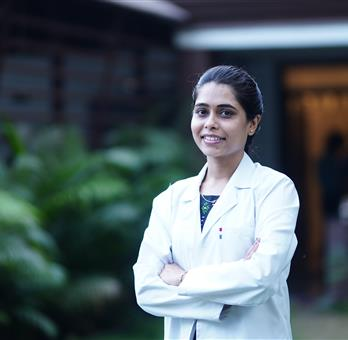
About the Author
Senior Ayurvedic Physician at Karmanya Ayurveda Chikitsalaya, Pimple Saudagar, Pune. All articles are reviewed for clinical accuracy.